

The Art of Cyrillic: Teaching Children Beautiful Russian Writing
Master the beauty of Cyrillic writing through calligraphy exercises, handwriting practice, and understanding the historical evolution of the Russian alphabet.
In our digital age, the art of beautiful handwriting might seem like a relic of the past. But at Russian Language & Arts, we believe that mastering Cyrillic calligraphy is essential—not just for practical communication, but as a gateway to understanding Russian culture, developing fine motor skills, and building pride in one's heritage.
The First Steps: Letter Formation
When young students first encounter the Cyrillic alphabet, they're often intimidated by its unfamiliar shapes. We begin with the basics—proper pencil grip, correct posture, and understanding the stroke order for each letter. Our teachers use multi-sensory approaches: children trace letters in sand, paint them with water on blackboards, and use textured materials to feel the shape of each character.
Russian cursive is particularly challenging because it differs significantly from printed letters. The letter "т" in print becomes a flowing "m" shape in cursive; "и" transforms into a "u" pattern. Our systematic approach helps students master these transitions naturally.
Calligraphy as Art
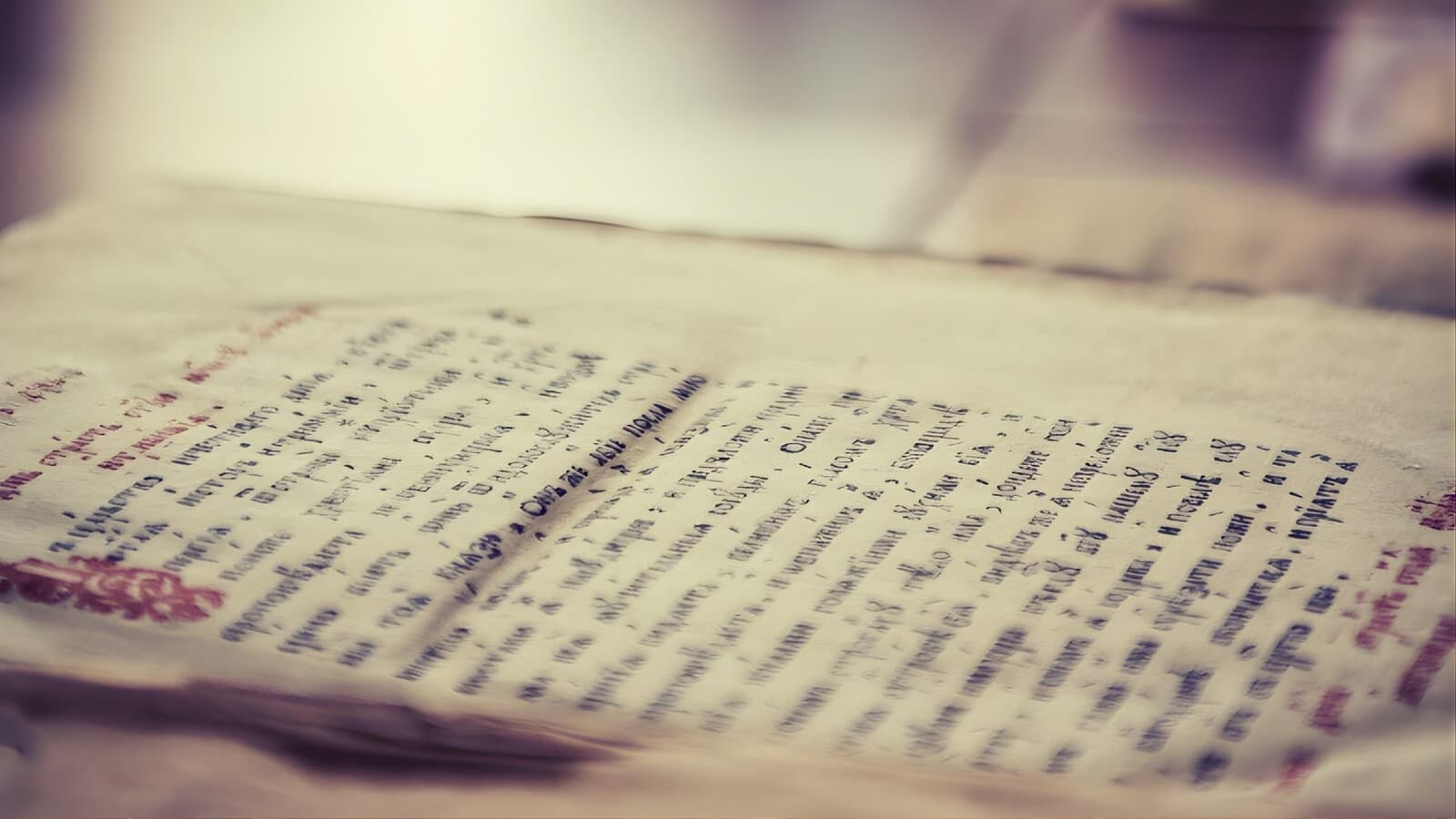
Once students have solid foundational skills, we introduce them to the art of Russian calligraphy. They learn about уставное письмо (ustav)—the solemn, formal script used in ancient Russian manuscripts—and how it evolved into the elegant cursive we use today. Students try their hand at different historical styles, using special calligraphy pens and understanding how letter forms have changed over centuries.
The Cultural Connection
Calligraphy lessons become windows into Russian history and culture. Students learn that before printing, monks spent years copying religious texts by hand, creating illuminated manuscripts that were works of art. They discover how the alphabet was brought to Slavic peoples by Saints Cyril and Methodius in the 9th century. These historical connections make the painstaking work of perfecting their handwriting feel meaningful.
Beyond the Classroom
Our calligraphy projects extend beyond practice sheets. Students create: - Personalized greeting cards for Russian holidays - Illuminated poems they've memorized - Family name plaques in traditional script - Holiday decorations with Cyrillic text - Birthday wishes for classmates in beautiful handwriting
Parents treasure these creations, often framing them or sharing them with family in Russia. One parent told us, "When my mother received a card written by my daughter in beautiful Russian cursive, she cried. It was like seeing her granddaughter connect across generations."
Handwriting and Cognitive Development
Research shows that handwriting practice develops crucial cognitive skills—spatial awareness, memory, and fine motor control. For bilingual children, mastering two different writing systems (Latin and Cyrillic) provides additional cognitive benefits. We've observed that students who excel in Cyrillic calligraphy often show improved concentration, patience, and attention to detail across all subjects.
Digital Age, Timeless Skills
While we absolutely teach typing in Cyrillic and use digital tools, we maintain that handwriting remains essential. There's something irreplaceable about the physical act of forming letters—the muscle memory, the focus required, the personal expression in each stroke. In fact, many of our older students report that they retain vocabulary better when they write it by hand rather than typing.
Competitions and Recognition
Throughout the year, we hold handwriting competitions where students showcase their best work. Winners receive special calligraphy sets and certificates. More importantly, they develop pride in their ability to write beautifully—a skill that distinguishes them and connects them to their heritage in a visible, tangible way.
Parent Involvement
We encourage parents to practice handwriting with their children at home. Many parents tell us they've rediscovered their own appreciation for beautiful writing through their children's homework. Some families make it a tradition to write letters to relatives in Russia by hand, keeping both the language and the art of letter-writing alive.
The Joy of Mastery
Watching a child progress from struggling with basic letters to creating elegant, flowing cursive is one of teaching's great rewards. Students often express surprise and delight at their own progress: "I can't believe I wrote this!" The confidence boost extends beyond Russian class—knowing they can master something challenging spills over into other areas of learning.
At Russian Language & Arts, we teach Cyrillic calligraphy not as an outdated skill, but as a living art form that connects our students to centuries of Russian culture. Every beautifully formed letter is an act of cultural preservation and a source of personal pride.
FAQ