

Celebrating Russian Traditions: Our School's Holiday Calendar
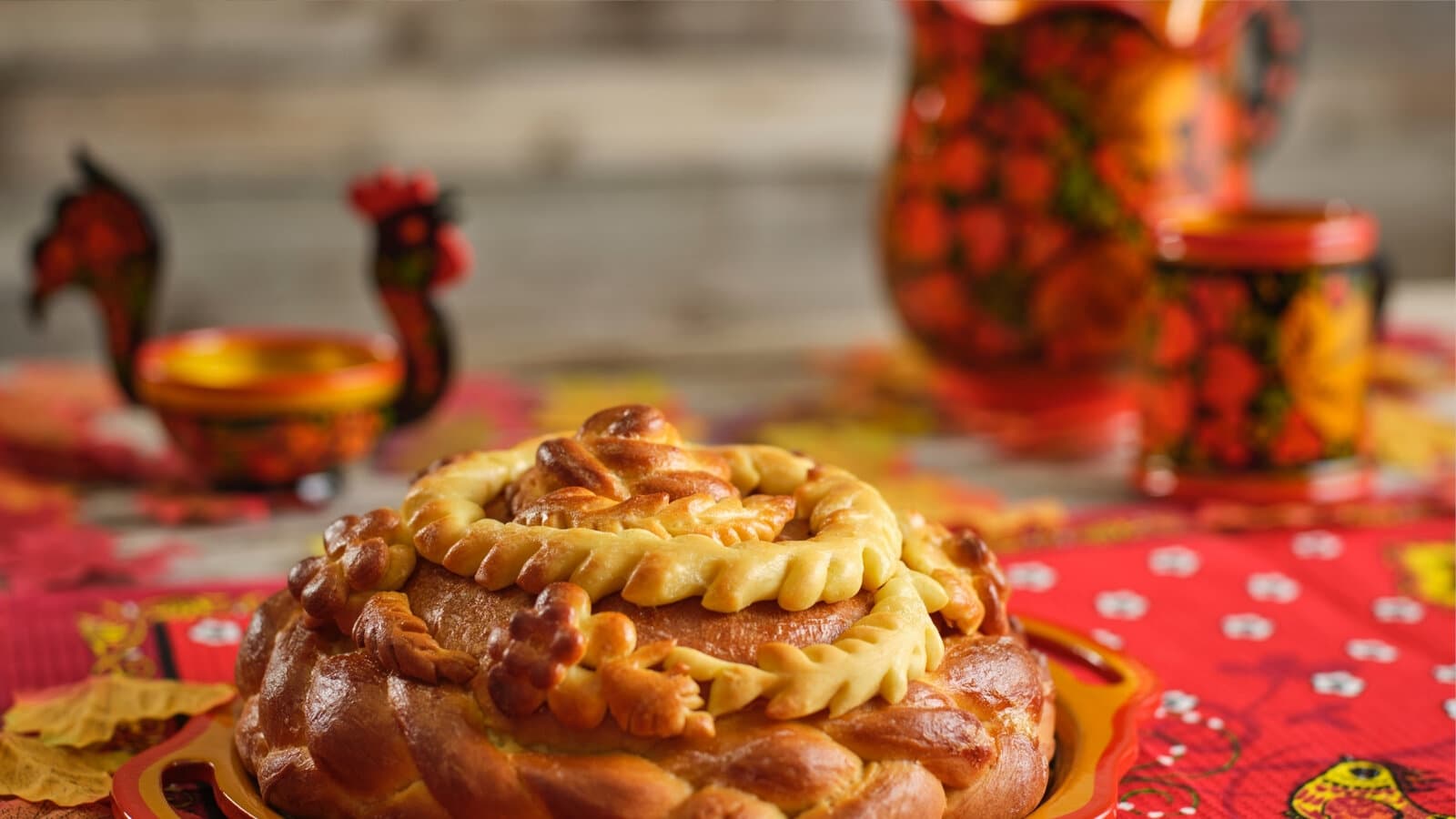
Experience authentic Russian holidays and celebrations including Maslenitsa, Christmas, Easter, and cultural festivals that bring our community together.
Russian traditions are vibrant, meaningful, and deeply rooted in centuries of history. At Russian Language & Arts, we don't just teach about these traditions—we live them. Our calendar is filled with authentic celebrations that bring students, families, and the entire Charlotte Russian community together.
Maslenitsa: Welcoming Spring
One of our most beloved celebrations is Maslenitsa, the week-long festival marking the end of winter. Our students learn about the meaning behind each day of the week, from "Meeting Monday" to "Forgiveness Sunday." The highlight is always our Maslenitsa fair, where families gather to enjoy traditional blini (Russian pancakes), participate in folk games, and watch the symbolic burning of the Maslenitsa effigy. Children love the colorful costumes, troika rides, and learning traditional round dances.
Orthodox Christmas: January 7th
We celebrate Russian Orthodox Christmas on January 7th, teaching students about the unique traditions that differ from Western celebrations. Students learn Christmas carols (kolyadki), perform nativity plays, and understand the significance of the Holy Supper with its twelve dishes. Our older students explore the historical and religious significance of the holiday, while younger ones delight in creating traditional ornaments and learning festive songs.
Easter (Paskha): A Family Celebration
Russian Easter is perhaps our most elaborate celebration. Students spend weeks preparing—painting and decorating пасхальные яйца (Easter eggs) using traditional techniques, learning Easter greetings "Христос Воскресе!" (Christ is Risen!), and baking куличи (Easter bread). Our Easter celebration includes a blessing ceremony, egg-tapping games, and a feast where families share their homemade delicacies. The joy and warmth of this celebration truly embodies the Russian spirit.
New Year's: The Biggest Holiday
In Russian tradition, New Year's is the most important winter holiday. Дед Мороз (Grandfather Frost) and Снегурочка (Snow Maiden) visit our school, bringing gifts and leading children in songs and games around the ёлка (New Year tree). Students perform plays, recite poems, and participate in our traditional New Year's концерт (concert). The excitement is palpable as children receive their "подарки под ёлку" (gifts under the tree).
Day of Knowledge (September 1st)
We honor the Russian tradition of День Знаний (Day of Knowledge), where students bring flowers to their teachers, participate in a ceremonial "first bell," and celebrate the start of the academic year. This tradition helps our students connect with millions of children across Russia who are starting their school year the same way.
Family Days and Community Building
Beyond major holidays, we organize family days featuring Russian tea traditions, cooking workshops where parents and children prepare traditional dishes together, and cultural evenings with Russian films, music, and discussion. These gatherings strengthen our community and create lasting memories.
Why Traditions Matter
For children growing up in America, these celebrations provide crucial touchpoints to their heritage. Parents often tell us that their children now request traditional foods, remember family customs, and feel proud of their Russian background. These celebrations transform abstract cultural concepts into lived experiences.
At RLA, we understand that traditions are more than events—they're the threads that connect generations, preserve cultural identity, and create a sense of belonging. Every celebration is an opportunity for our students to experience the warmth, generosity, and joy that characterize Russian culture.
FAQ