

The History of the Primer: 400 Years of Teaching Children to Read
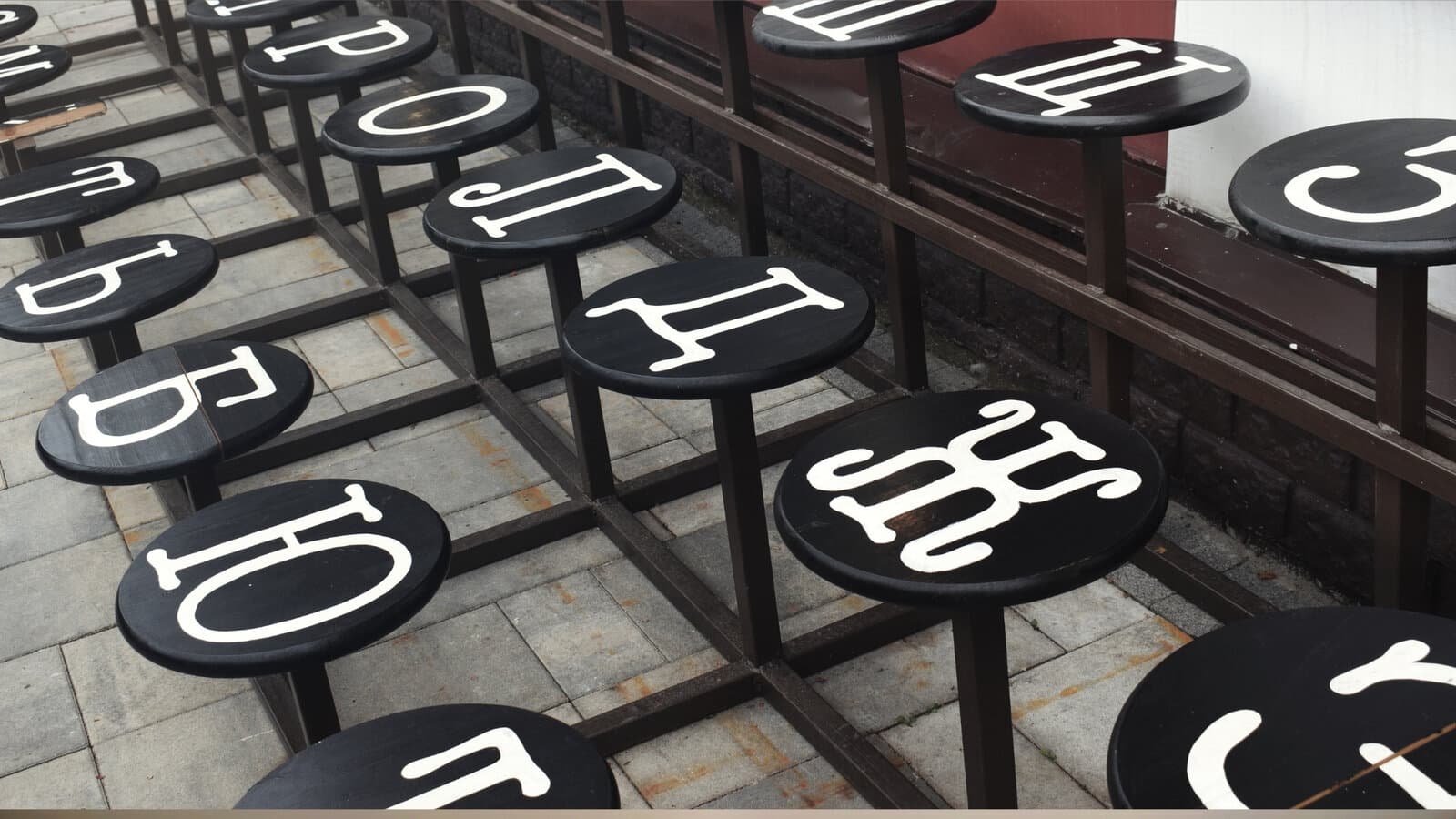
Discover the fascinating history of the "Bukvar"—the traditional Russian alphabet book that has taught generations of children to read.
As families prepare for the new school year, we thought it fitting to share the remarkable history of a book that has shaped Russian literacy for over four centuries: the Букварь (Bukvar), or primer.
The First Bukvar
The first book in the world to carry the title "Bukvar" was published over 400 years ago, in 1618. It was a small, pocket-sized volume of just 52 leaves, printed by the Vilnius Orthodox Brotherhood printing house in Evye (modern-day Vievis, about 32 kilometers from Vilnius).
Only two original copies of this historic book survive today: one in Britain's Middle Temple private library and another in Denmark's Royal Library. Monks prepared the work, with Meletius Smotritsky identified as a probable author.
This publication began a new global tradition for language instruction—a model that would be adopted worldwide. The concept of an alphabet book designed specifically to teach children to read was revolutionary for its time.
A Tool That Changed Everything
Before primers existed, literacy was rare and learning to read was a haphazard process, often involving whatever texts were available. The Bukvar provided a systematic approach: start with letters, progress to syllables, then words, then sentences. This methodical structure made literacy accessible to ordinary families for the first time.
Today, primers exist in hundreds of languages with varying compositions and approaches. There are even Braille versions for visually impaired learners. From the Hawaiian alphabet with its minimal 13 letters to complex writing systems with dozens of characters, the primer concept adapts to serve learners everywhere.
Notable Russian Primers
The tradition of the Russian Bukvar continued to evolve over centuries. Some notable examples:
Anatoly Klyshko's 1969 primer achieved international recognition, earning a gold medal at Leipzig's 1977 book exhibition and "best textbook" honors at Frankfurt in 2004. Its innovative approach to teaching reading influenced generations of educators.
Nadezhda Zhukova's primer has become perhaps the most popular in modern Russia, reaching "every fourth child learning to read in Russia" with over 3 million copies sold. In 2005, it received the "Classic Textbook" designation, cementing its place in Russian educational history.
More Than Textbooks
Primers function as more than textbooks—they are encyclopedias for young learners. A well-designed Bukvar doesn't just teach letter recognition. It introduces children to their culture through carefully chosen words, illustrations, and examples.
The first words a child learns to read often include мама (mama), дом (home), and other concepts central to family life. Through these simple words, children begin to understand that reading opens doors to their entire culture and heritage.
Why This History Matters
Understanding where our educational traditions come from helps us appreciate what we're doing when we teach children to read. Every time a child opens a Bukvar at Russian Language & Arts Charlotte, they're participating in a 400-year tradition of literacy education.
The monks who created that first primer in 1618 couldn't have imagined children in Charlotte, North Carolina, learning Russian in 2025. Yet their innovation—the systematic approach to teaching reading through a carefully designed book—continues to serve learners across time and space.
Looking Ahead
As your children prepare for the school year, consider sharing this history with them. The Bukvar in their hands connects them to centuries of learners who came before, all taking those same first steps from letters to syllables to words to worlds.
Learning to read in Russian is not just acquiring a skill—it's joining a tradition. Welcome to the journey.
FAQ