

Music and Singing: Threads Through Time
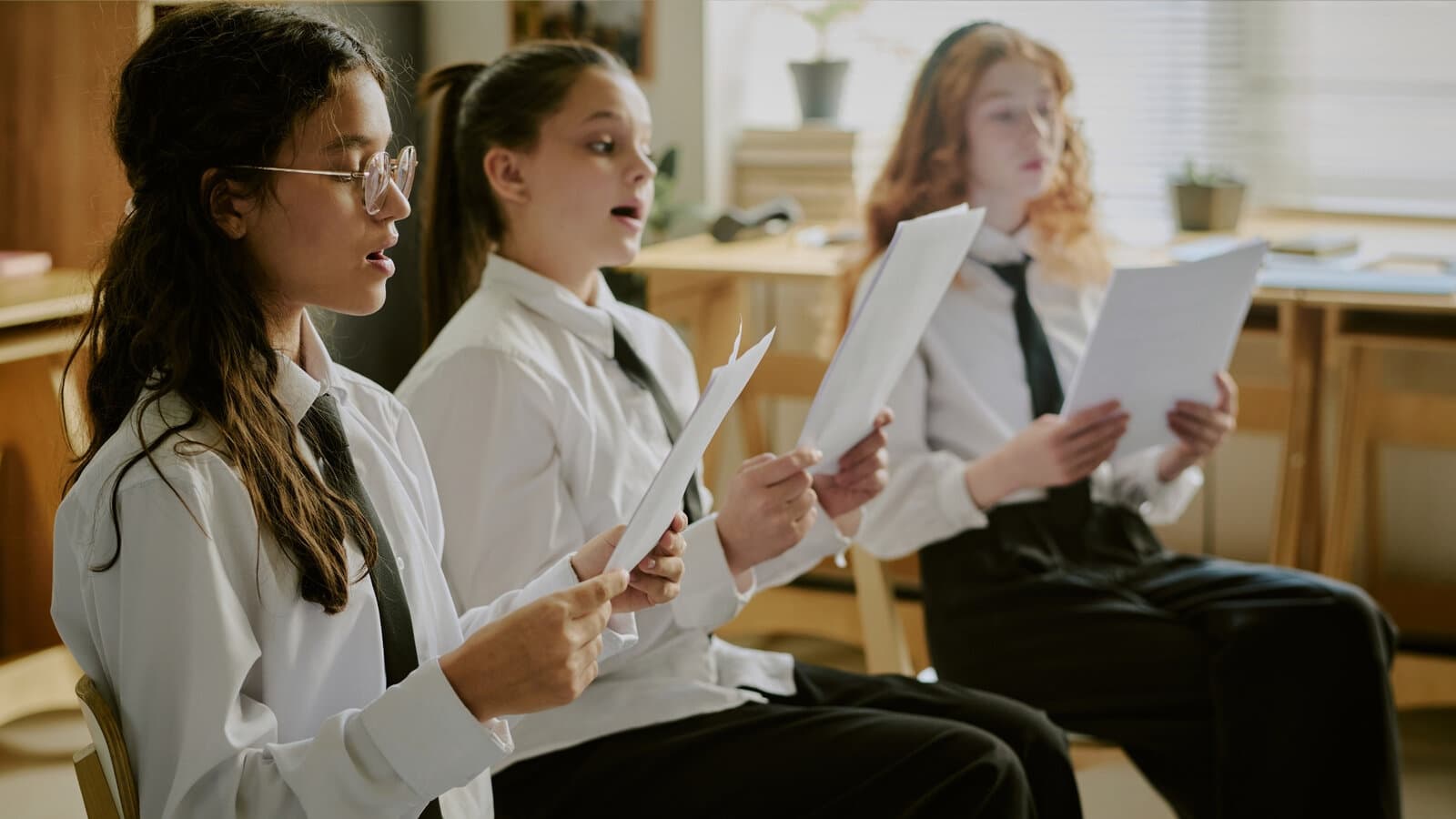
Exploring the deep roots of music and singing in human culture, from ancient traditions to modern expressions.
Music and singing have accompanied humanity since the earliest days of civilization. "Praise the Lord with harps, sing to Him on a ten-stringed psaltery" (Psalm 33:2)—even ancient scriptures recognized music's power to express what words alone cannot.
Ancient Roots
The tradition of musical worship and celebration runs deep. Jubal is described in Genesis as "the father of all who play stringed instruments and pipes" (Genesis 4:21). King David, before he was king, was known as a skilled harpist whose music could soothe troubled souls. He composed countless psalms—songs of praise, lament, and thanksgiving that are still sung today, thousands of years later.
Solomon continued this musical tradition, gathering singers and musicians to his court. The variety of instruments mentioned in ancient texts—harps, lyres, pipes, trumpets, cymbals, and more—shows how central music was to communal life.
The Evolution of Music
From those ancient beginnings, music has evolved dramatically. The 20th century brought electronic music into existence. In 1921, Russian engineer Lev Theremin invented the theremin—an instrument played without physical contact, creating ethereal sounds by moving hands through electromagnetic fields. This invention marked the beginning of electronic music as we know it.
Today, music comes in countless forms: classical orchestras, folk ensembles, rock bands, electronic producers, and everything in between. Yet the fundamental purpose remains unchanged—to express emotion, build community, and connect us to something larger than ourselves.
Music and Language Learning
At Russian Language & Arts Charlotte, we've seen firsthand how music accelerates language learning. There's something about melody and rhythm that helps vocabulary stick. Students who struggle to remember words in conversation can often sing them perfectly in a song.
This isn't surprising when we consider that music and language share neural pathways in the brain. Learning songs in Russian develops pronunciation, intonation, and vocabulary simultaneously. The emotional content of music creates strong memories that last.
Singing Together
When we sing together—in choir, in class, at celebrations—something special happens. Individual voices blend into something greater. Shy students find confidence. The community strengthens.
Russian folk songs, in particular, carry centuries of history and emotion. When our students learn these songs, they're not just practicing Russian—they're participating in a living tradition that connects them to generations past.
Music at Home
We encourage families to make music part of daily life: - Sing Russian songs during car rides - Play classical music during homework time - Learn lullabies to sing at bedtime - Share songs from your own childhood
Music transcends language barriers while simultaneously teaching language. It expresses emotions and feelings that words alone cannot capture. And unlike many skills that fade with time, songs learned in childhood stay with us forever.
Let music be a thread that connects your family to Russian culture, to each other, and to the rich tradition of human expression that spans all of history.
FAQ