

From Folk Songs to Performances: Music in Russian Education
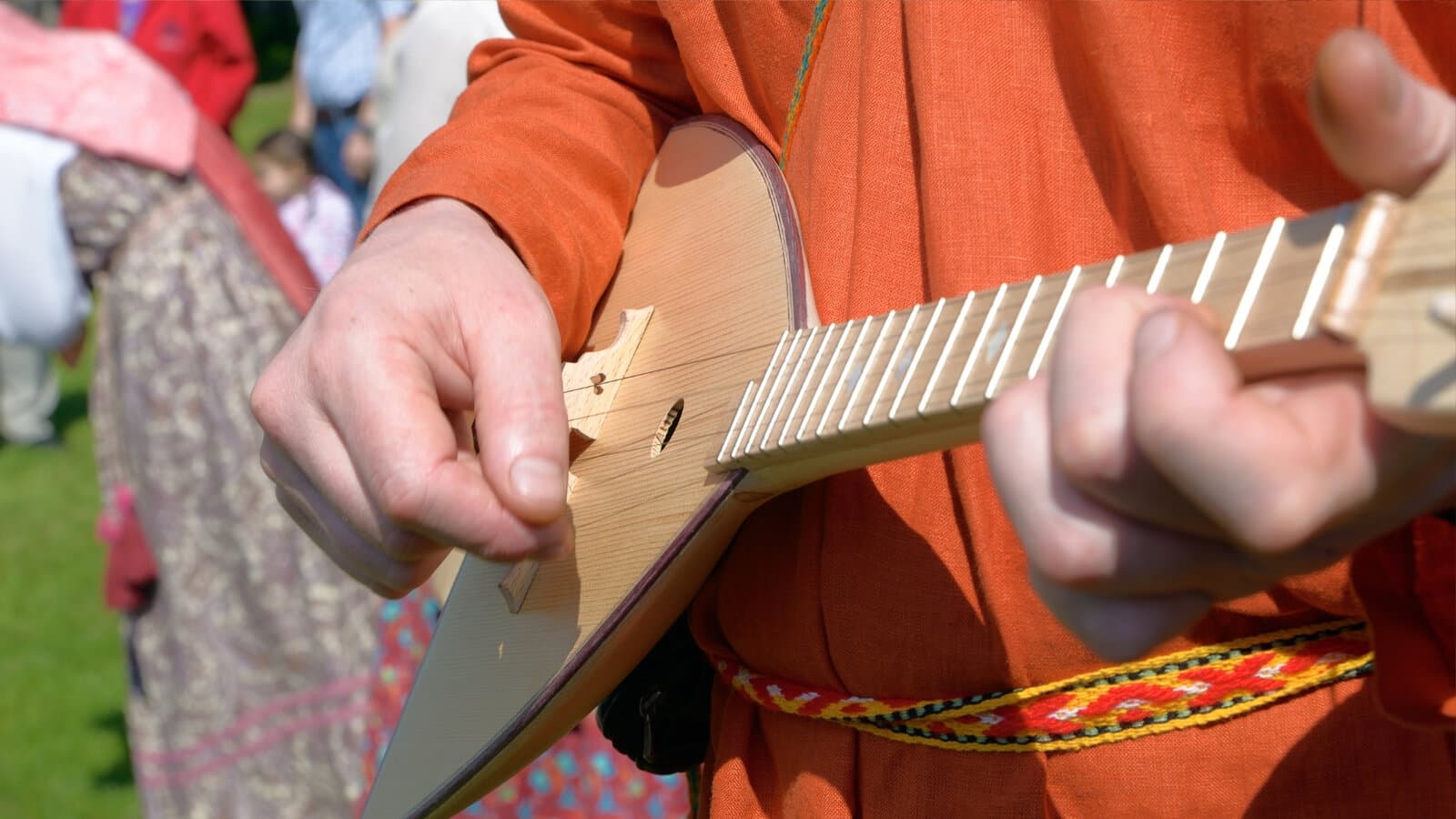
Engage with Russian musical traditions through singing, folk songs, classical music appreciation, and end-of-year performances for families.
Music is the soul of Russian culture. From haunting folk melodies to world-renowned classical compositions, music has always been central to Russian life. At Russian Language & Arts, we harness the power of music to teach language, build community, and connect students emotionally to their heritage.
Why Music Matters in Language Learning
Music and language are deeply interconnected in the brain. When students learn songs in Russian, they're not just memorizing words—they're internalizing grammar patterns, developing native-like pronunciation, and building cultural fluency. The rhythm and melody make language "stick" in ways that textbook exercises never could.
We've observed that students who struggle with conversational Russian often excel when singing. The musical structure provides scaffolding that helps them access vocabulary and pronunciation they can't yet produce in speech. Over time, this musical fluency transfers to their speaking abilities.
Folk Songs: Windows to Russian Soul
Russian народные песни (folk songs) form the foundation of our music program. These songs carry the history, values, and emotions of the Russian people across centuries.
Young students start with simple, playful songs like "Во поле берёза стояла" (In the Field Stood a Birch Tree) or "Каравай" (The Round Loaf), which are part of traditional celebrations. As they sing about birch trees, troikas, and village life, they absorb vocabulary that's deeply rooted in Russian cultural consciousness.
Older students explore more complex folk traditions—лирические песни (lyrical songs) about love and longing, частушки (chastushki) - humorous verse songs, and исторические песни (historical songs) about heroes and battles. They learn that these songs weren't just entertainment—they were how communities passed down history, shared emotions, and maintained identity.
Classical Music Appreciation
Russia has contributed enormously to world classical music, and our students explore this legacy. They listen to and discuss works by:
- Tchaikovsky: "The Nutcracker" and "Swan Lake" ballet scores, which many students perform to in dance classes - Mussorgsky: "Pictures at an Exhibition" - we pair this with visual art discussions - Prokofiev: "Peter and the Wolf" - perfect for teaching instruments and narrative - Rachmaninoff: Piano concertos that showcase Russian romantic tradition - Shostakovich: Whose music helps students understand 20th-century Russian history
Students learn to recognize Russian composers' distinctive styles and understand how historical events influenced their work. This interdisciplinary approach connects music, history, and language.
Learning Through Song
Almost every lesson incorporates music in some way:
- Beginning students learn alphabet songs, numbers songs, and basic vocabulary through musical games - Elementary classes use songs to practice verb conjugations and build conversational phrases - Intermediate students analyze song lyrics, discussing metaphors and poetic language - Advanced learners explore contemporary Russian music, discussing social themes and modern language
Songs become memory anchors. Years later, alumni tell us they still remember Russian phrases because they're embedded in melodies they learned as children.
Choir and Performance
Our school choir meets weekly, preparing for performances at community events and our end-of-year концерт (concert). Singing together builds community—students from different age groups unite in creating something beautiful. The discipline required for choral singing—listening, blending, following direction—translates into better classroom behavior and cooperation.
The annual spring concert is a highlight of our school year. Students perform in traditional Russian costumes, singing a repertoire that spans folk songs to contemporary hits. Families pack the auditorium, often singing along with familiar melodies. The emotional power of these performances—seeing their children confidently performing in Russian—often moves parents to tears.
Musical Instruments and Russian Traditions
Students are introduced to traditional Russian instruments:
- Balalaika: The three-stringed triangular folk instrument - Gusli: Ancient Russian zither - Accordion (bayan): Essential for folk ensembles - Wooden spoons and rattles: Used in folk dance accompaniment
Guest musicians sometimes visit, demonstrating these instruments and teaching traditional rhythms. Some students become so fascinated that they pursue lessons outside school.
Movement and Dance
Music naturally leads to movement. Students learn traditional Russian dances—the energetic хоровод (circle dance), the elegant вальс (waltz), and regional folk dances. These kinesthetic experiences create embodied cultural memory. The vocabulary of movement (руки вверх - hands up, кружиться - spin, приседать - squat) becomes automatic through repeated physical action.
Contemporary Russian Music
While honoring tradition, we also expose students to contemporary Russian music. Older students explore current artists, analyzing how modern Russian addresses contemporary themes. This connection to living culture helps students see Russian not as a museum piece, but as a vibrant, evolving language spoken by millions today.
Family Sing-Alongs
We encourage families to sing together at home, providing playlists and lyrics. Many parents rediscover songs from their own childhood, sharing them with their children. These musical moments become cherished family traditions, strengthening both language skills and emotional bonds.
Therapeutic and Emotional Benefits
Beyond education, music provides emotional and therapeutic benefits. For children navigating two cultures, Russian songs become comfort objects—familiar touchstones they can return to. Parents report that their children sing Russian songs when happy, when processing emotions, or when missing far-away relatives.
The emotional content of Russian music—its depth, its capacity for both joy and melancholy—helps students develop emotional vocabulary and expressiveness in Russian that might be harder to teach through conversation alone.
Building Confidence
Performance opportunities build confidence. Standing before an audience and singing in Russian is a powerful statement of cultural identity. Students who might be shy about speaking Russian in public find that singing provides a comfortable structure for public Russian language use.
Many of our students have performed at community events beyond school, representing Russian culture at Charlotte International Festival, church celebrations, and cultural organization events. These experiences build pride and help students see themselves as ambassadors of Russian culture.
The Power of Music
Music does something unique—it bypasses our analytical mind and speaks directly to emotions and memory. A student might forget vocabulary words, but they'll remember the song that contained those words. They might struggle with pronunciation, but singing helps them find the rhythm and melody of Russian speech.
At Russian Language & Arts, music isn't just one subject among many—it's the thread that weaves through everything we do. It makes learning joyful, builds community, and creates emotional connections to Russian culture that last a lifetime. When our students grow up, they may forget some grammar rules, but they'll always carry the Russian songs we taught them. And through those songs, they'll always carry a piece of their heritage in their hearts.
FAQ