

Music: The Universal Language
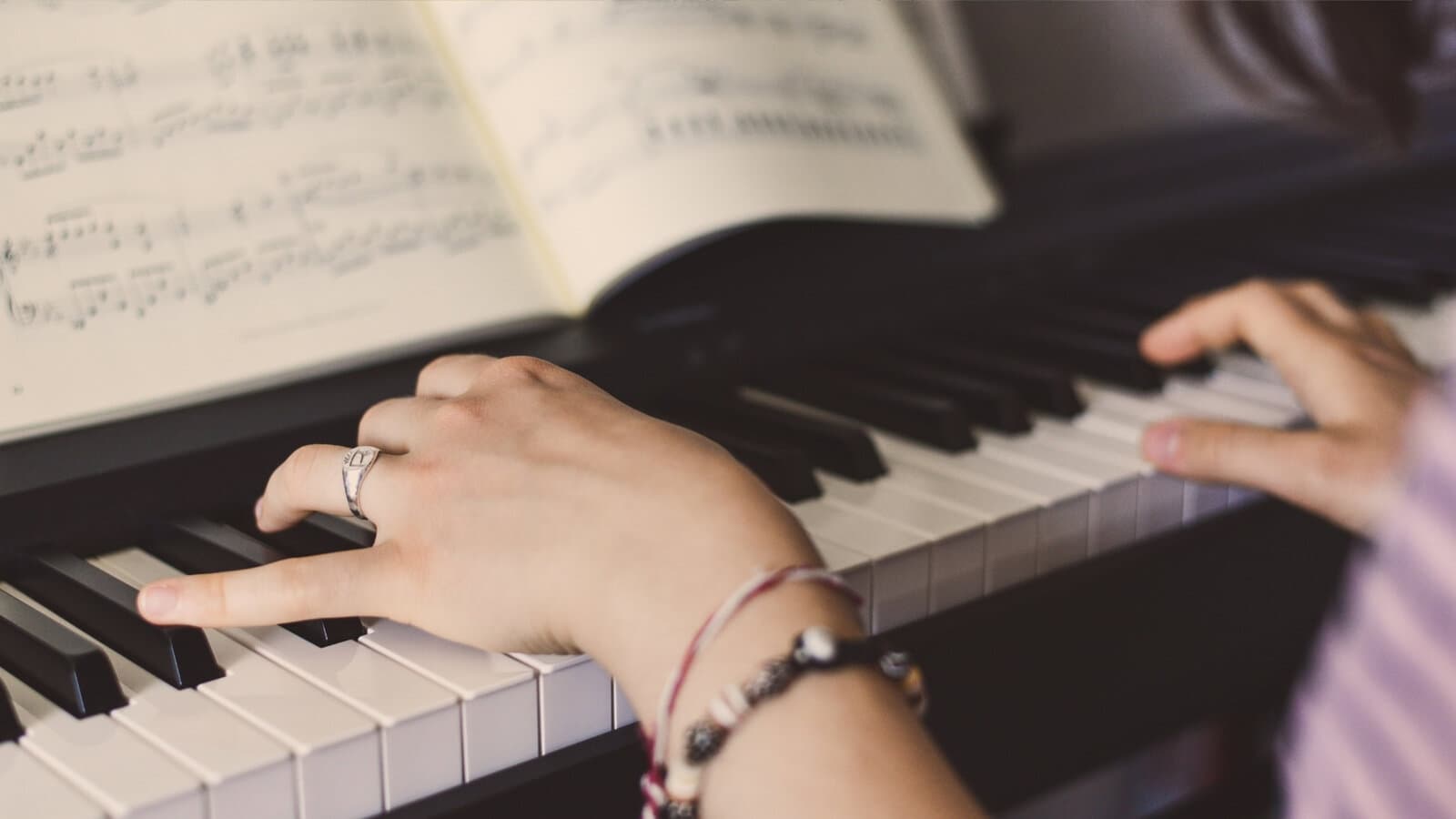
Celebrating International Music Day and the power of music to connect people across cultures and generations.
Today, October 1st, marks International Music Day—established by UNESCO in 1975 to celebrate the universal art form that transcends all boundaries.
Music is a special language of communication, a kind of do-re-mi-fa-sol Esperanto that needs no translation. Whether you speak Russian, English, or any other language, music speaks directly to the heart.
Why Music Matters
At Russian Language & Arts Charlotte, music is woven throughout our curriculum. We believe that learning Russian folk songs, classical compositions, and contemporary music helps students connect with their heritage in ways that textbooks alone cannot achieve.
Like studying a new foreign language, music helps people draw closer and understand each other. A Russian lullaby sung by a grandmother carries the same tenderness as lullabies worldwide. The triumphant finale of a symphony stirs the same emotions regardless of who's listening.
Celebrating in Charlotte
We encourage our families to explore Charlotte's vibrant cultural scene. The Charlotte Symphony, community concerts, and cultural festivals offer wonderful opportunities to experience live music. Check local listings for performances featuring classical, folk, and world music traditions.
Consider making music a family activity: - Listen to Russian classical music during dinner - Learn a traditional Russian song together - Attend a live performance as a family - Explore Russian composers on streaming platforms
Notable October Musical Birthdays
October brings anniversaries of several musical giants with Russian connections:
Vladimir Horowitz (October 1, 1903) - The legendary pianist, born in Kyiv, whose virtuosity and emotional depth made him one of the greatest performers of the 20th century.
Giuseppe Verdi (October 10, 1813) - The Italian opera composer whose works, including La Traviata and Aida, have been beloved on Russian stages for over a century.
Georges Bizet (October 25, 1838) - Composer of Carmen, which became one of the most performed operas in Russian theaters.
And we remember the premiere of Tchaikovsky's Sixth Symphony (the "Pathétique") on October 28, 1893—a deeply emotional work that remains one of the most powerful expressions of the Russian musical soul.
Music in Our Classrooms
Our students learn that Russian contributions to world music are immense—from Tchaikovsky's ballets to Rachmaninoff's piano concertos, from traditional folk songs to modern pop. Understanding this musical heritage deepens their connection to Russian culture and language.
When students sing Russian songs, they internalize rhythm, pronunciation, and vocabulary in ways that stick. The emotional content of music creates memories that last a lifetime.
A Musical Challenge
This month, we encourage every RLA family to: - Learn one new Russian song together - Listen to a piece by a Russian composer - Share a musical memory from your own childhood - Attend a live performance if possible
Music brings generations together. Let it bring your family closer to Russian culture.
Happy International Music Day!
FAQ